
What is Fortified Wine?
Fortified wine is wine which has had a distilled spirit added to it in the winemaking process – any neutral spirit distilled from grains, grapes or sugar can be used.
What does fortifying wine do?
The fortification serves multiple purposes – it enhances the alcohol content in the wine, makes it stronger or more stable (hence, ‘fortified’), and adds unique flavours. Historically, wine was fortified so that it would keep better on long, overseas voyages, particularly during the so-called ‘golden age’ of exploration over the centuries where France, Spain and England competed for global dominance. The addition of spirits helped preserve the wine on such maritime expeditions, keeping it for far longer than would be the case otherwise so that the explorers could still enjoy wine on their long journeys.
As a result, many nations have a signature fortified wine that they’ve made their own, like Port, from the northern provinces of Portugal. Indeed, the story of Australian wine was built upon fortified styles, which was our biggest wine export up to the 1960s.
Fortified wine comes in several styles. There are red fortified wines and white fortified wines, ranging from dry too sweet in flavour, as well as aromatic fortified wines like Vermouth, which is made with infused herbs and spices.
One thing all these different types of fortified wine have in common is that they make sensational aperitif (dry-style) or digestif/after-dinner wines (for the sweeter varieties). Grab yourself a small glass and sit back, as we take you on a brief tour of our favourite fortified wines!
Other Names for Fortified Wines
Fortified wines are often termed dessert wines in the United States to avoid association with hard drinking. The term “vins de liqueur” is used by the French.
New Names for Australian Older Style Wines.
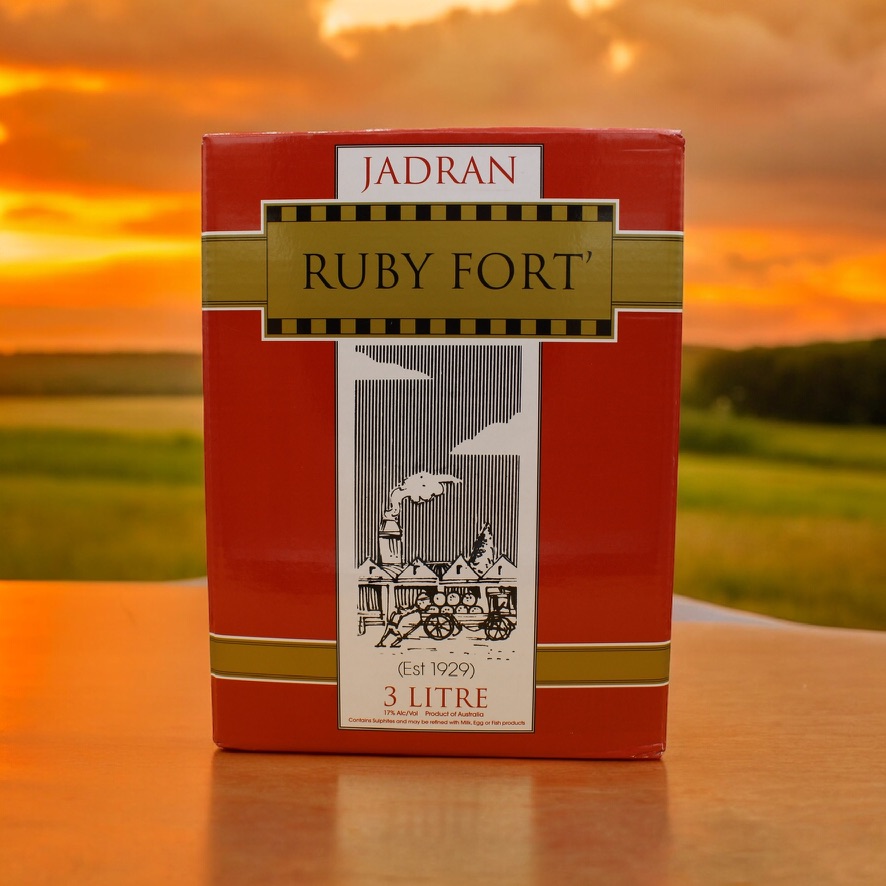
- Port is out Tawney/Vintage/Fort is in
- Sherry is out Apera is in
- Marsala is out Boronia All ‘Uovo’ is in
- Tokay is out Topaque is in.
Australians will find NEW NAMES on old wines in bars and wine shops, under a deal with the European Union to stop using European names. The agreement will prevent Australian winemakers from using the names of European towns or regions to classify their wines, as has been done since winemaking began here.
The names to disappear from Australian labels include burgundy, white burgundy, chablis, champagne, manzanilla, marsala, moselle, port, sauterne, sherry, spatlese and tokay. They are names of towns or regions in Europe, even if translated so freely as to be unrecognisable. Sherry, for instance, is an old English name for the Spanish city Jerez, while port comes from the Portuguese city of Porto. Australia’s wine industry has decided to relabel sherry as “apera”, an inspired shortening of “aperatif”, while tokay (originally from the Hungarian region of Tokaji) will become topaque.

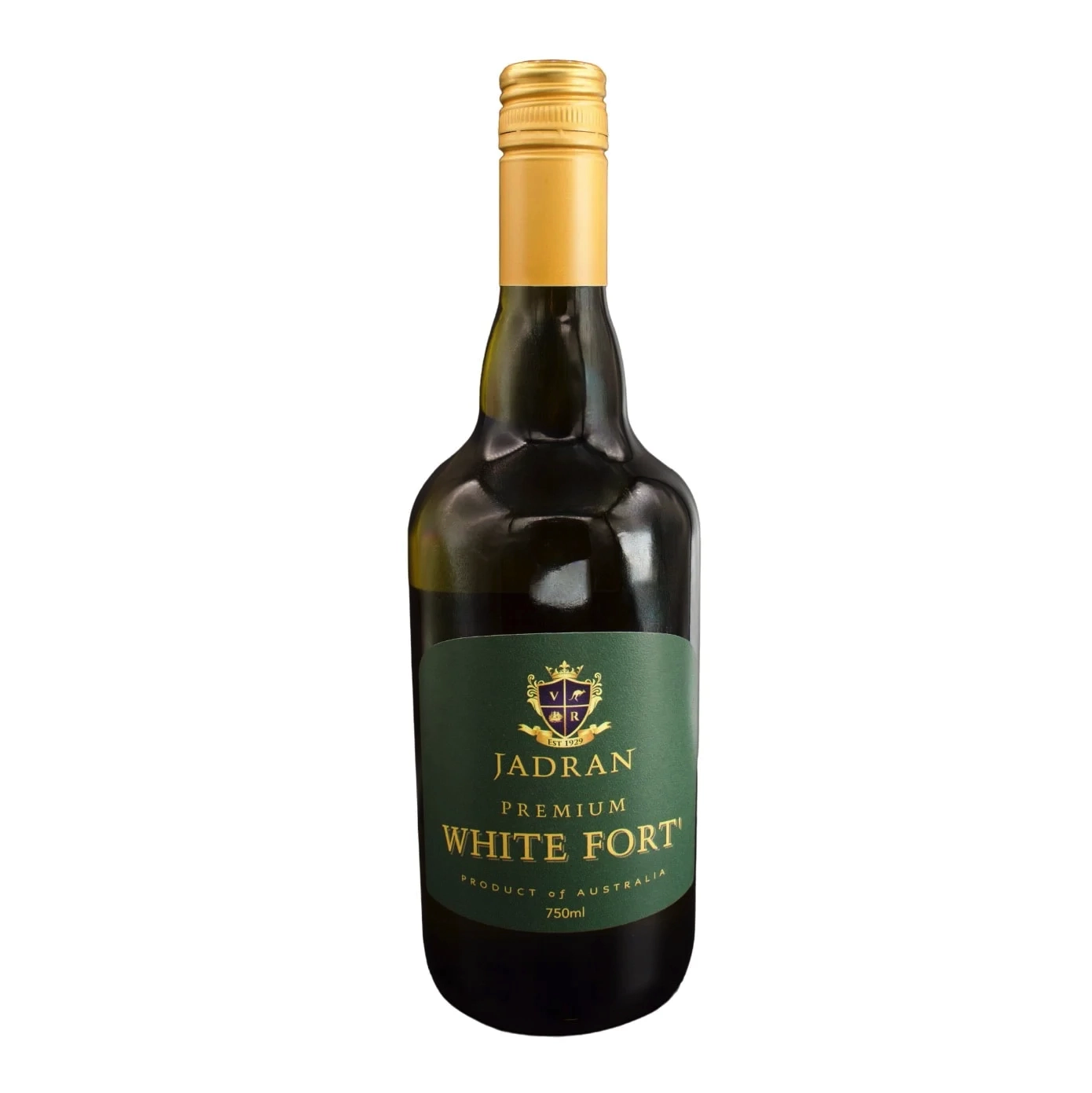
WHAT IS PORT? (AKA VINTAGE, FORT OR TAWNY)
Australia’s favourite fortified wine is a style that originally hails from Portugal – most notably the Douro Valley in Portugal’s north – and is a traditionally sweet red wine where brandy has been added before the completion of fermentation.
Nowadays, only those wines made in Portugal can lay claim to the Port name, but Tawny Port has a long history in Australia. It gets the Tawny name from its darker brown or tawny colour, a by-product of its ageing process, and while the varieties differ from winery to winery, Shiraz, Grenache, Mataro and Touriga are most used in its making.
Full-bodied and luscious with rich flavours like hazelnut, raisins and dried fig, often with burnt butter and coffee notes, Australian Tawny is a style that has been aged in the barrel for some time before its release. As such, it’s intended to be enjoyed immediately, though you can keep it for some time – it just won’t develop further.
Tawny, will pair well with both hard, salty cheeses like Parmigiano and strong blue cheeses like Stilton, as well as sweeter treats like berry pies and chocolate brownies.
WHAT IS MUSCAT? (MUS-CAT)
Muscat’s story is a complicated one, as besides being a style of fortified wine, it is also a variety in its own right. As such, the Muscat name can be applied in many ways – from Moscato in Italy, to Moscatel in Spain and Portugal. Liqueur Muscat – often referred to as Brown Muscat – is one of only two styles of Australian wine that no other country can replicate and is derived from the Muscat à Petits Grains Rouge grape (literally, ‘Muscat with little red berries’).
Like Tawny, Australian Muscat is primarily the product of warmer regions, with the most famous for the style being Rutherglen. Again, like Tawny it is aged in barrel over an extended period, concentrating the power and richness of the wine. Meant for immediate drinking, they can be cellared, but doing so will not improve or develop them further.
Sweet and luscious, Muscat is one of the richest and most powerful wines in the world, with classic aromas and flavours of dried fruits, espresso, tobacco leaf and chocolate.
Muscat also lends itself equally to charcuterie, and after dinner is an excellent match for a warm and deliciously sweet traditional Christmas pudding.
Common flavours include vanilla and stewed apricot with the occasional notes of brown sugar, but more expensive examples tend to reveal a more nuanced spectrum of characters that includes cherry, tobacco, honey and more. Widely used in cooking, with dry styles used in dishes like chicken marsala, and sweeter styles in in desserts like tiramisu.


WHAT IS SHERRY? (AKA APERA)
A usually dry, Fortified wine where spirit is added after fermenting, Sherry hails from Spain, where it’s alternatively known as jerez or xérès. Spanish producers registered the name for exclusive use, and since 2010 Australian producers have complied, marketing the resulting fortified wine locally as Apera (derived from apéritif).
Once a style avoided by younger drinkers for being old-fashioned – a fate that other fortified wines have also had to contend with – today this attitude is slowly changing. Produced in a variety of styles, most Australian Sherry or Apera are made from Pedro Ximénez grapes and start out quite dry, with sweetness added through the winemaking process. Depending on the style, a fine layer of yeast, known as flor, provides a kind of biological ageing that ‘caps’ the wine and slows oxidation when in the barrel, while imparting a distinctly nutty, even tangy character. Styles not aged under flor are typically fortified to a higher ABV and may show richer characters and colours through the oxidation.
As a result, flavour profiles vary quite widely, ranging from those with briny, delicate acidity to luscious, viscous styles that are dark and sweet.
Apera is great served as a tasty little aperitif with Mediterranean-style finger foods and is great with cheeses and charcuterie.
Sources – https://www.wineselectors.com.au/wine-varieties/what-is-fortified-wine
https://www.smh.com.au/national/new-names-to-grace-old-wines-20090616-cgli.html


